


Introduction:
In the high-voltage electronics industry,the durability and reliability of modules are cirtical.One of the most effective methods to enhance both is potting,a process where components are encapsulated in a protective resin.While some clients request modules without potting to save shipping costs, understanding its benefits is essential for long-term performance and safety.
What Is Potting?
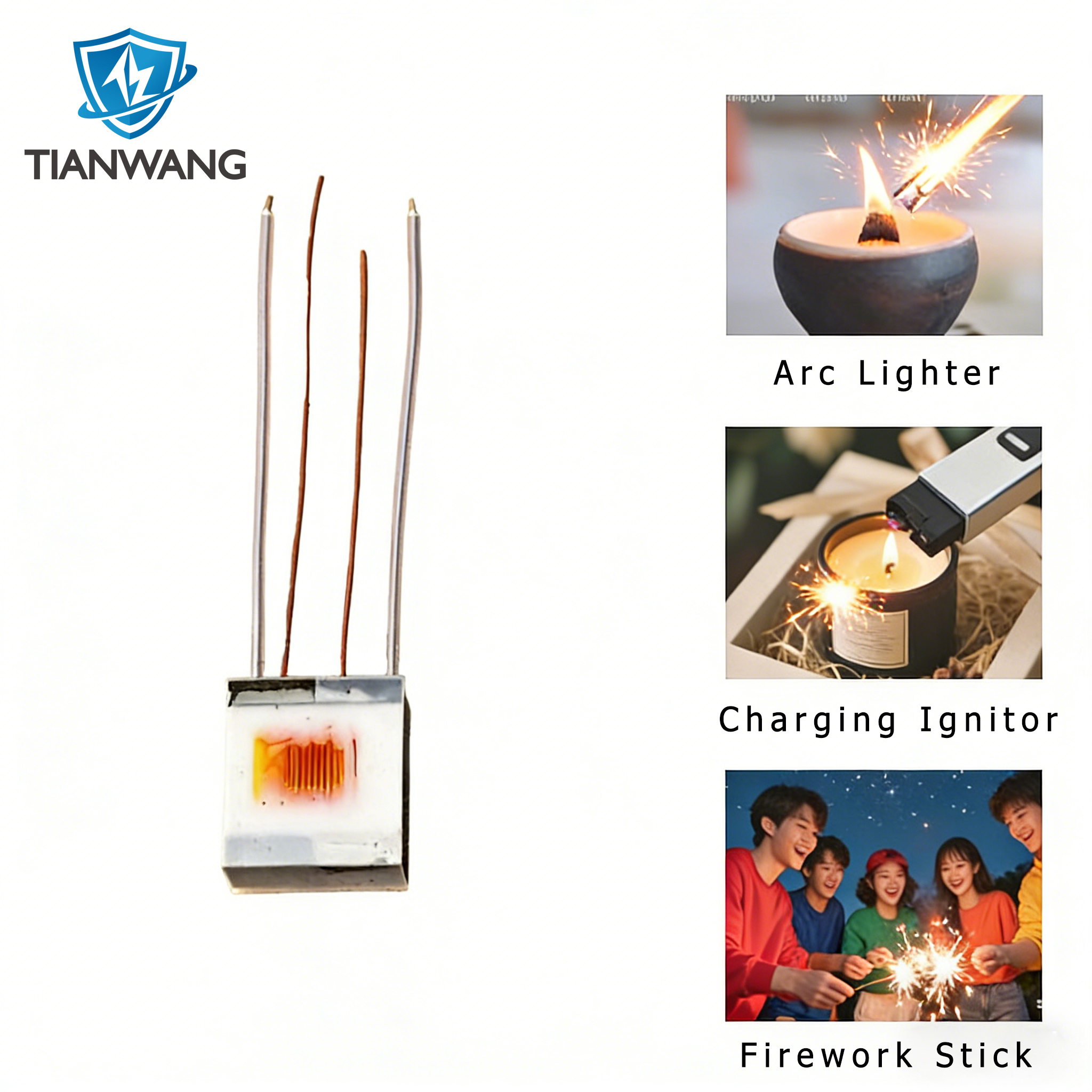
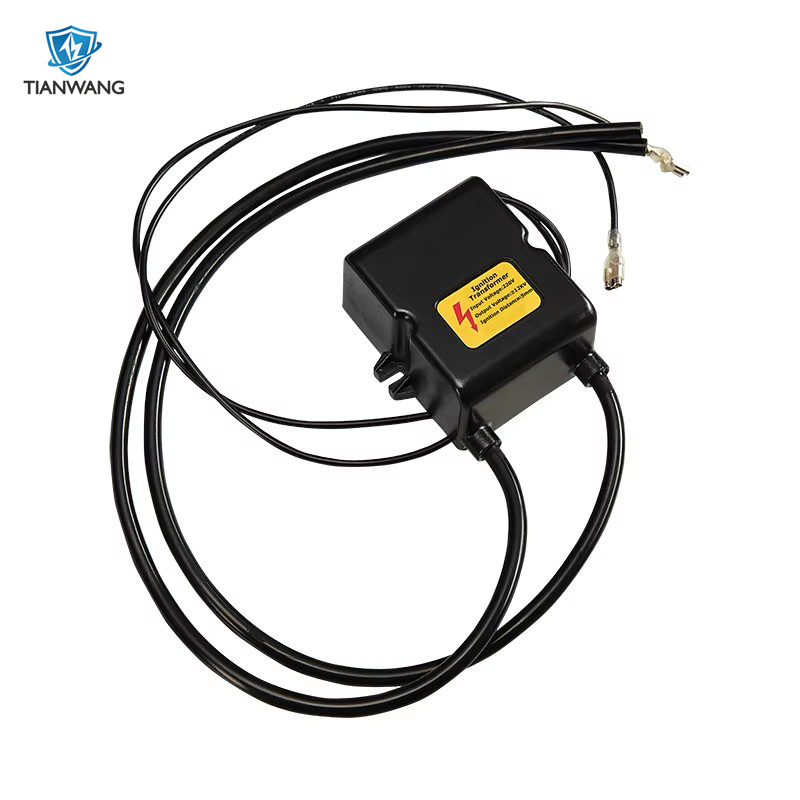
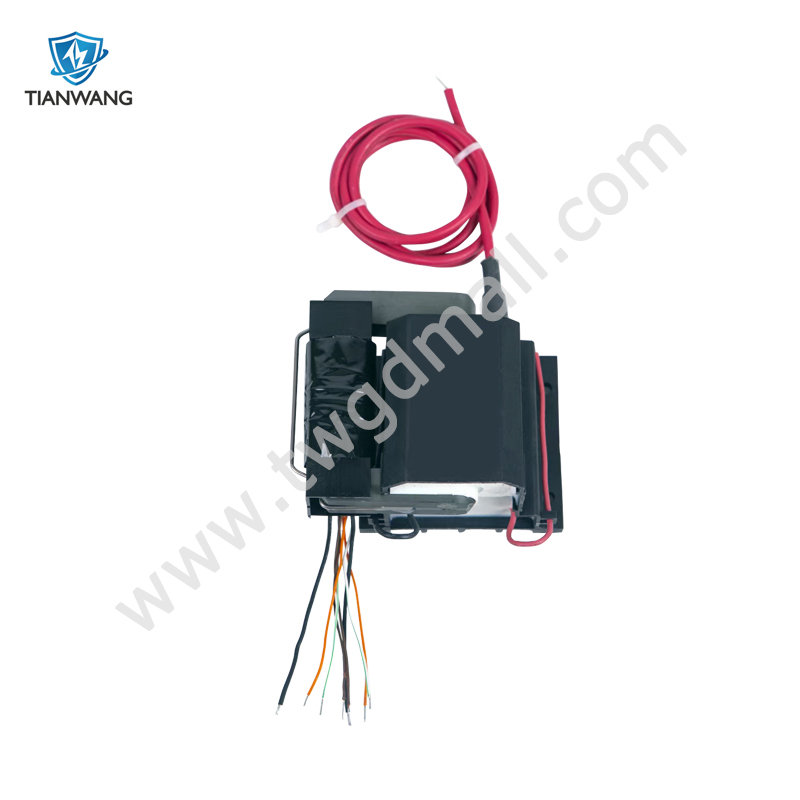
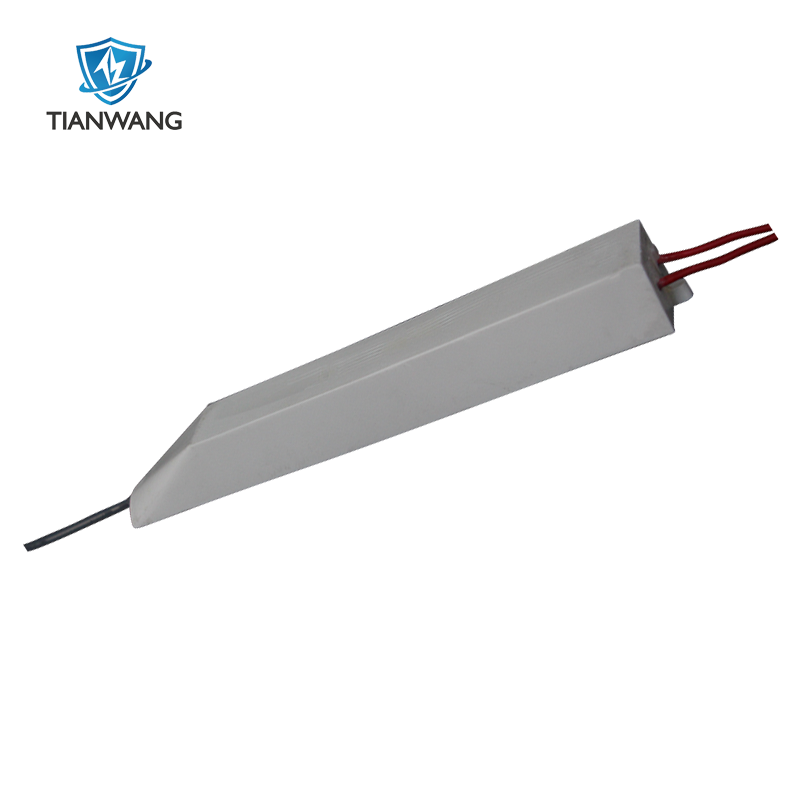
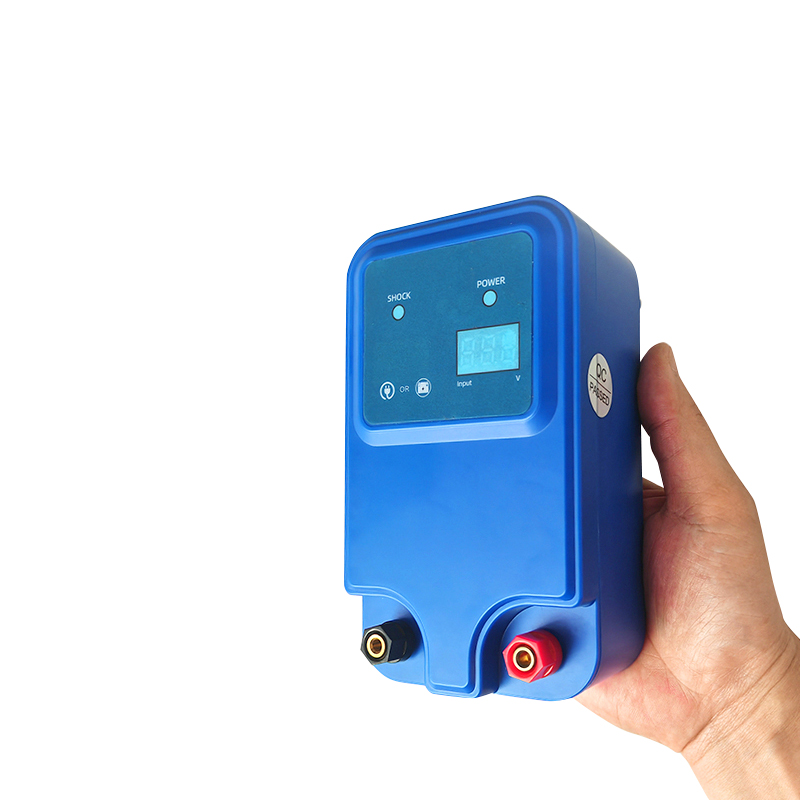
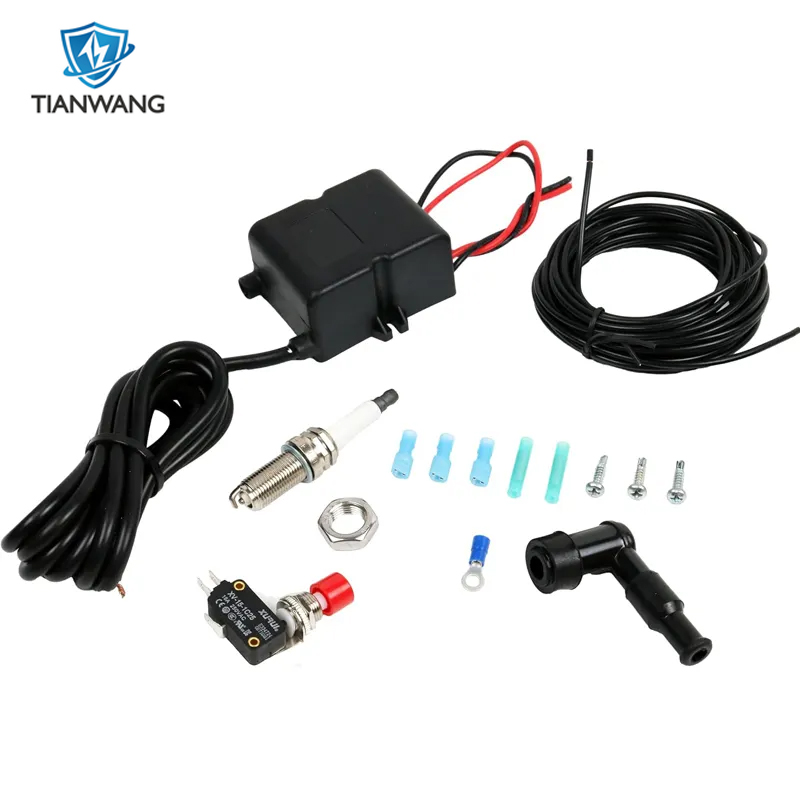
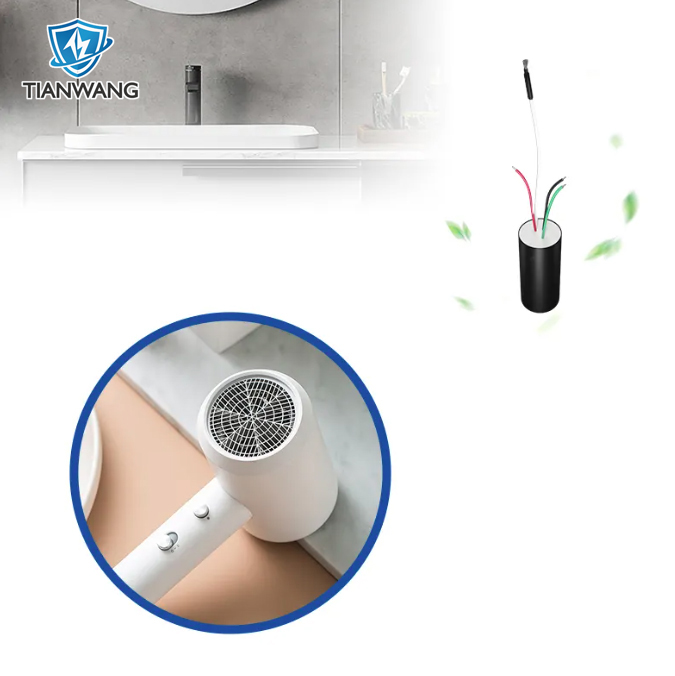
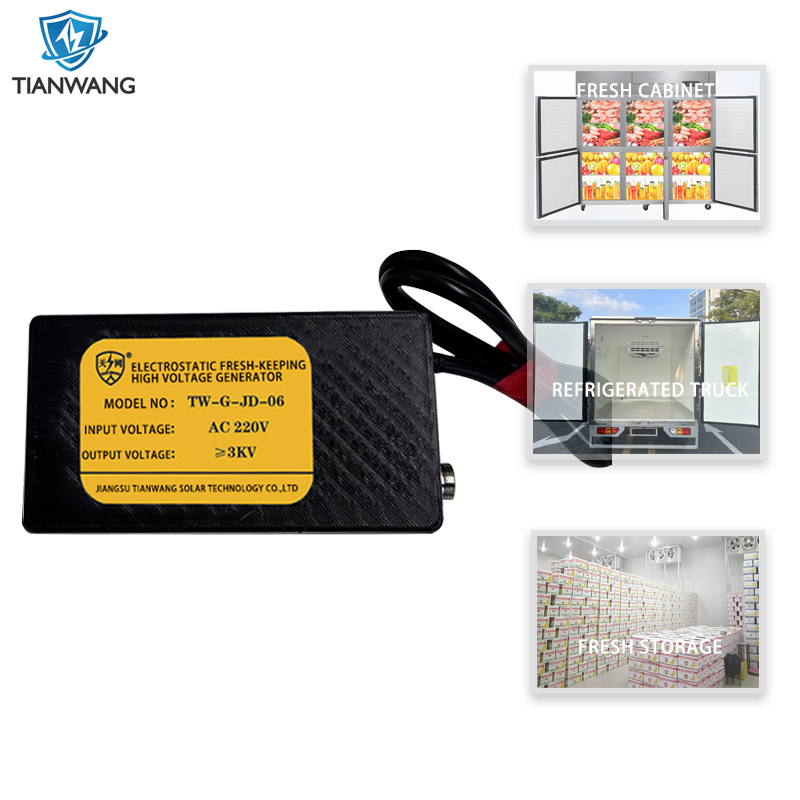
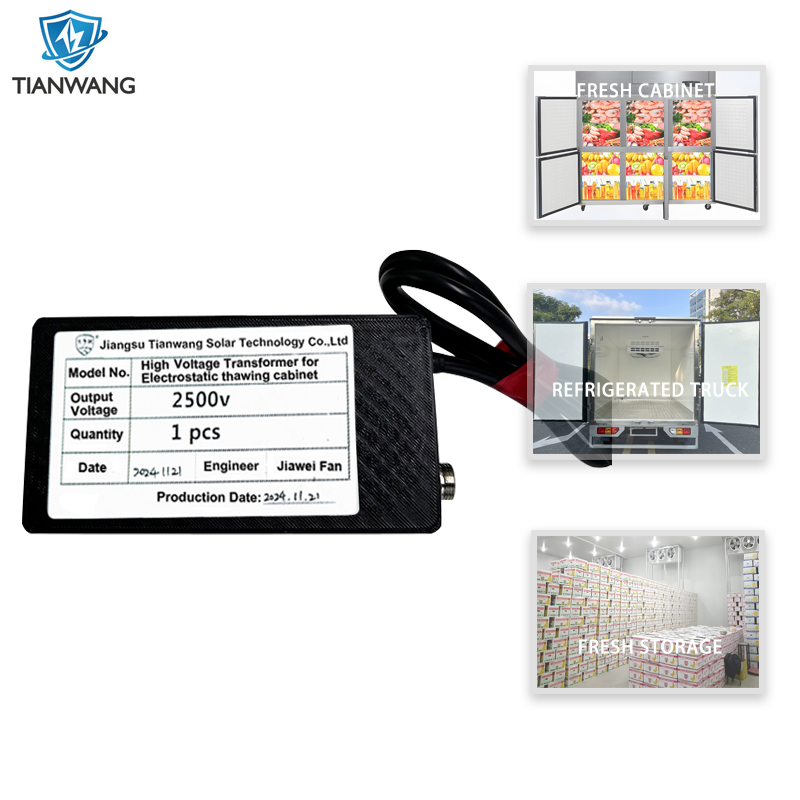
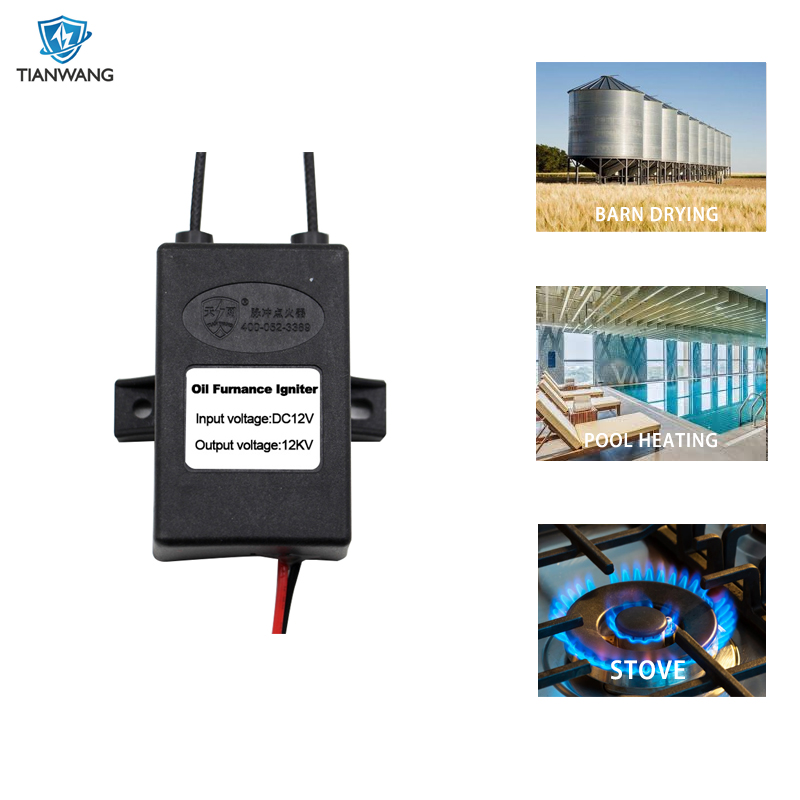
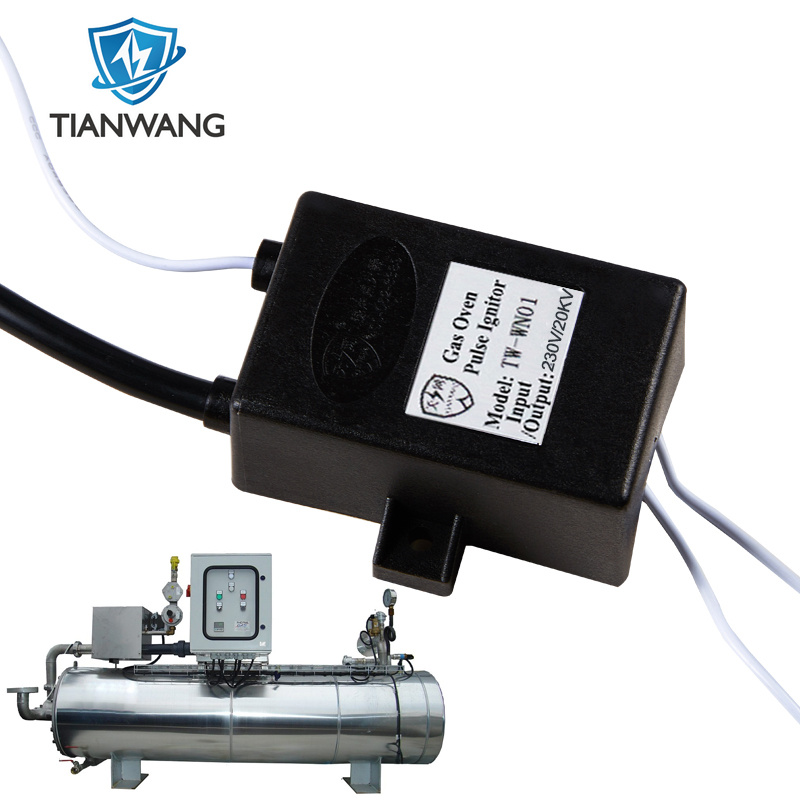
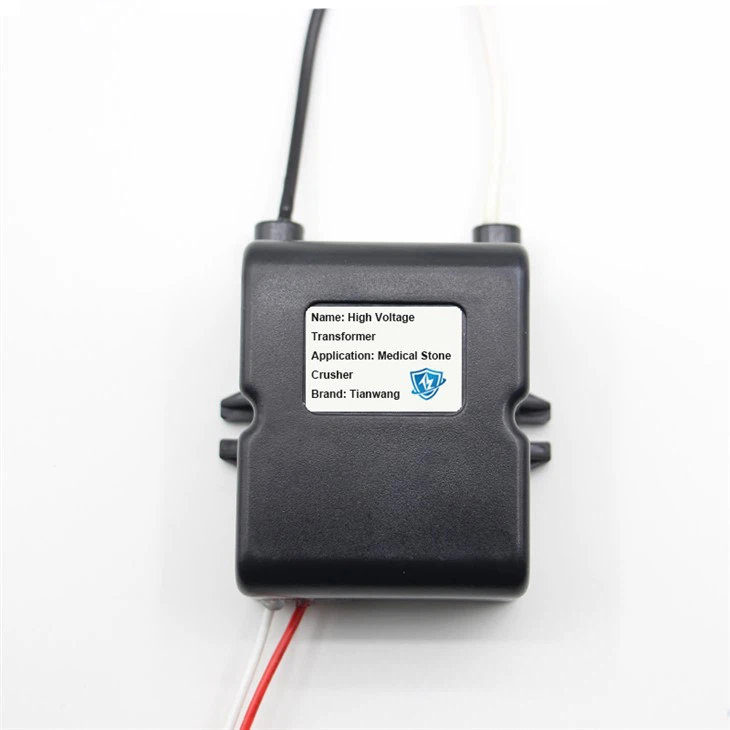
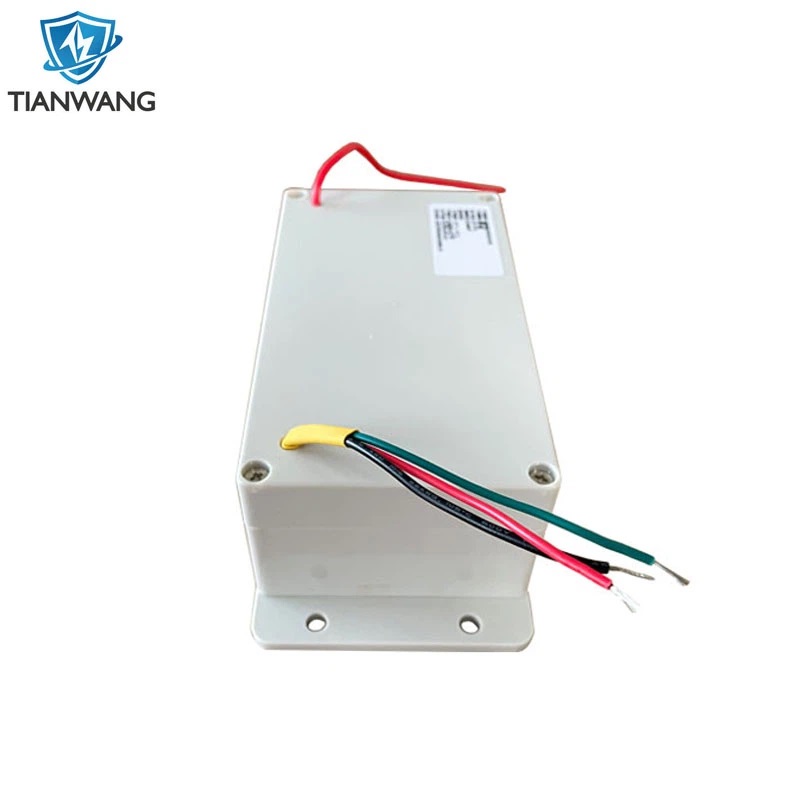
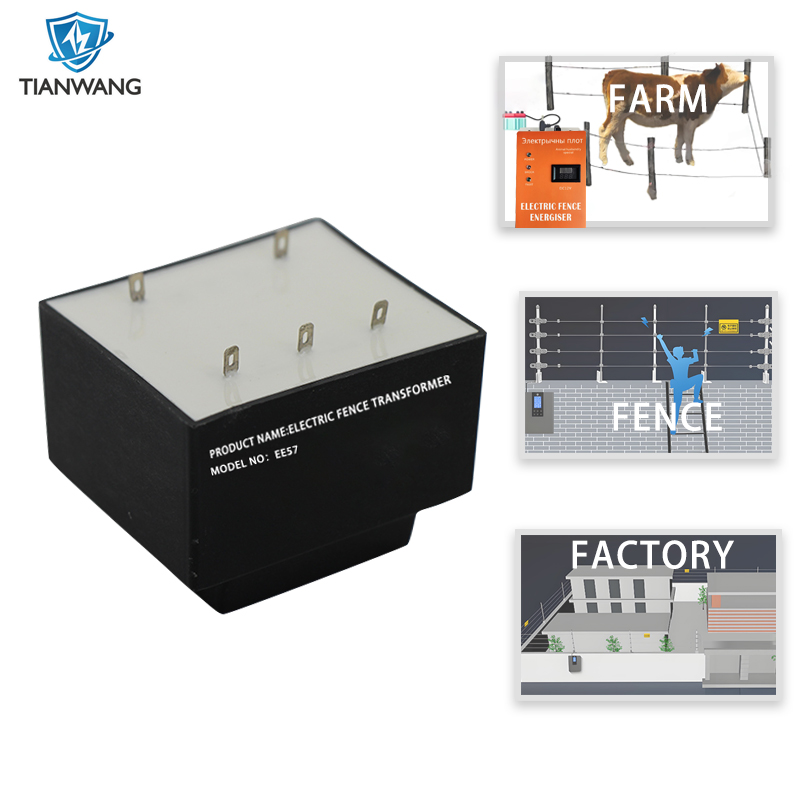
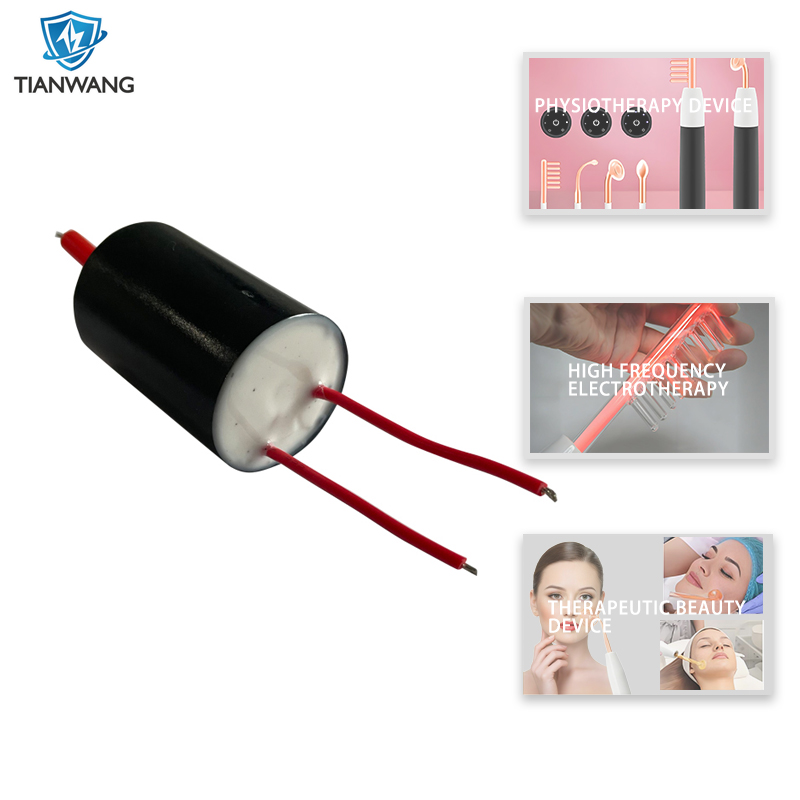
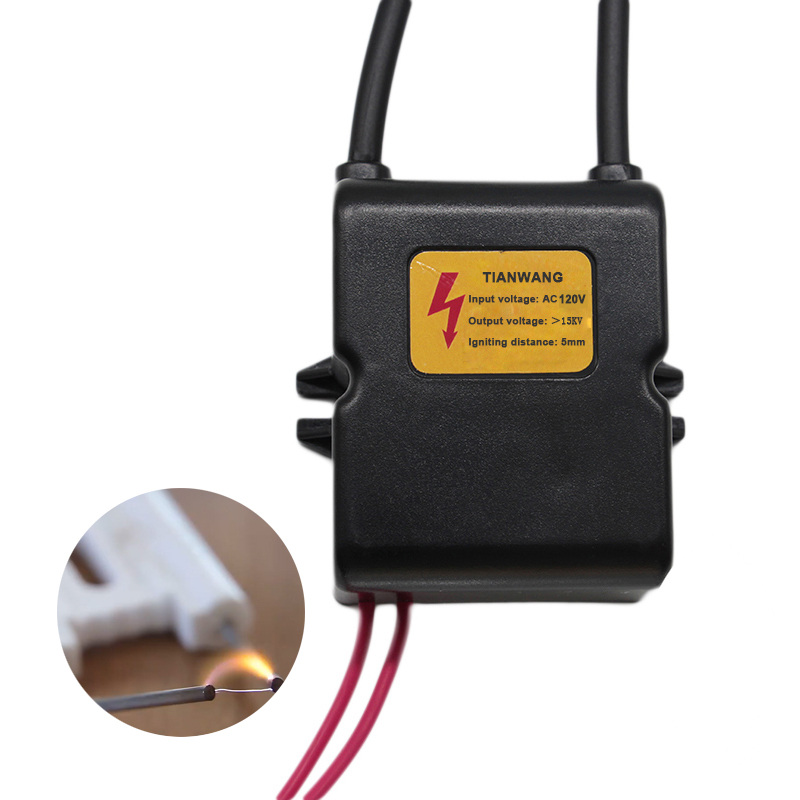
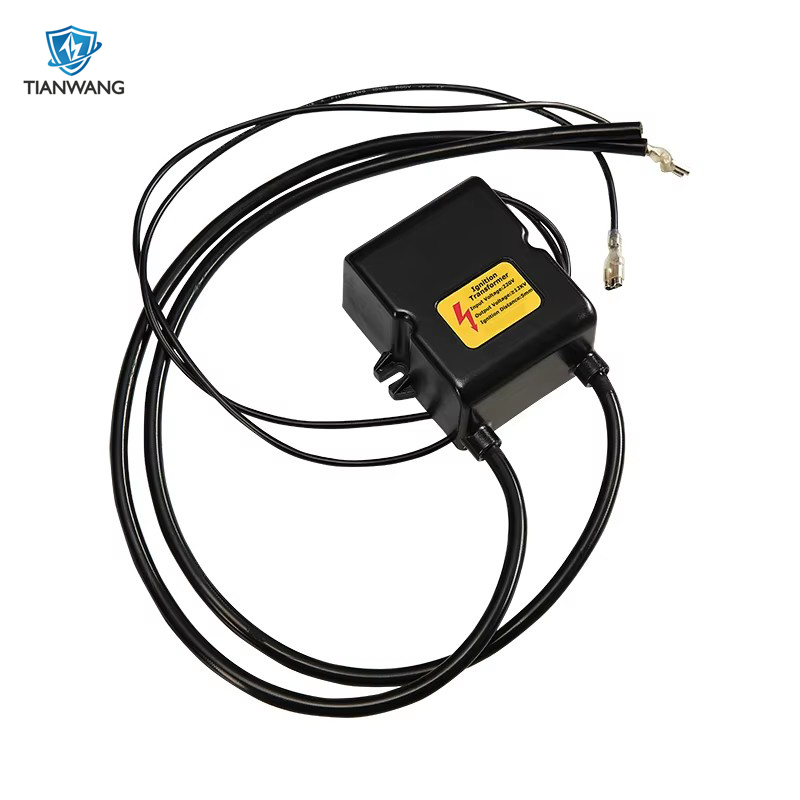
Potting involves filling or coating the internal components of a high-voltage module with insulating materials, typically epoxy or silicone resins. This process protects the circuits of high-voltage generators, ignition transformers, ignition coils, and similar products from environmental factors such as moisture, dust, vibration, and mechanical stress.Potting also improves electrical insulation, reducing the risk of short circuits and component failure.
Benefits of Potting for High Voltage Modules
Enhanced Safety: Properly potted modules prevent accidental contact with high-voltage circuits, reducing risks for operators and end-users.
Environmental Protection: Modules become resistant to moisture, dust, and temperature fluctuations, which is particularly important for outdoor or industrial applications.
Mechanical Stability: Potting strengthens the module structure, preventing HV module’s damage from shocks or vibrations during transportation or operation.
Extended Lifespan: Potted modules tend to last longer, minimizing maintenance costs and reducing downtime.
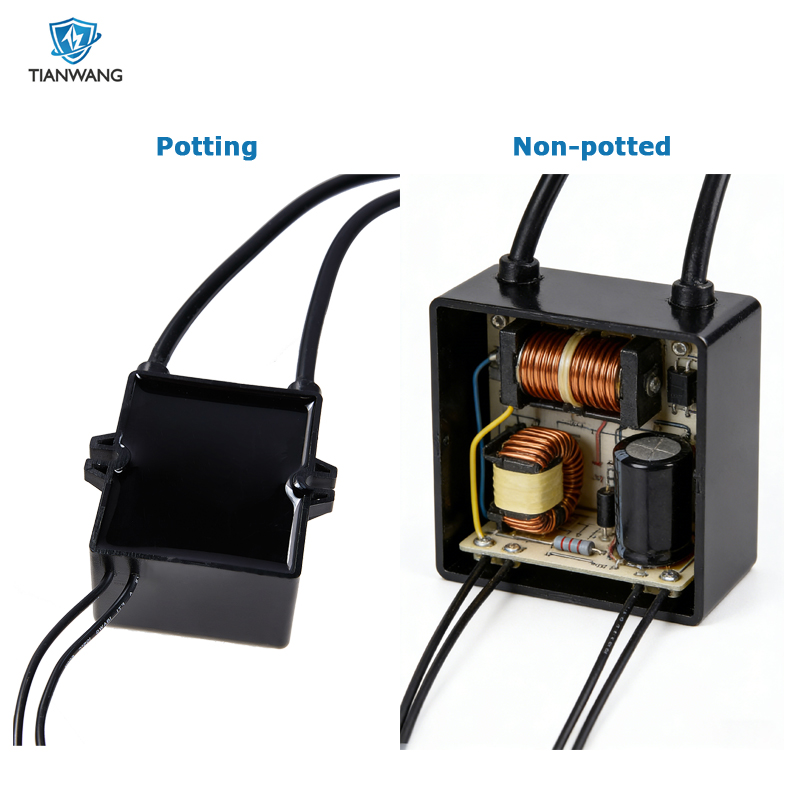
Potted vs Non-Potted Modules
In tests comparing potted and non-potted high-voltage modules, potted units maintained 95% efficiency after 10,000 operational cycles, while non-potted modules showed insulation degradation and higher failure rates. This demonstrates that potting is not an optional luxury—it is a necessity for reliability.
Customization and OEM Support
At our factory, we provide flexible OEM/ODM solutions. Modules can be customized to include or exclude potting based on customer requirements, application conditions, and safety standards. Our engineers guide clients to choose the optimal design that balances cost, performance, and safety.
Why Potting is Essential for High Voltage Modules