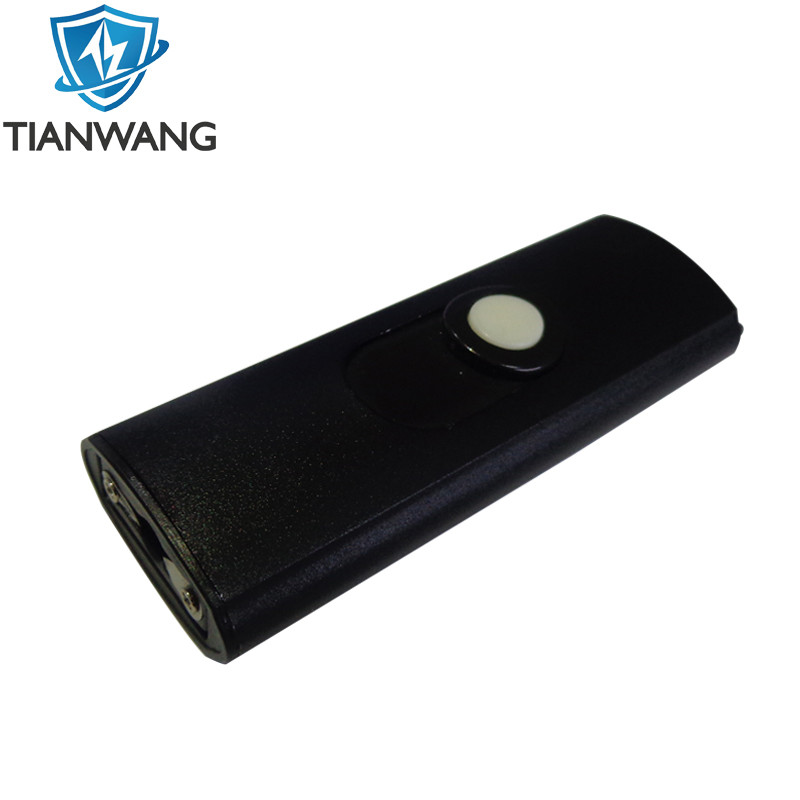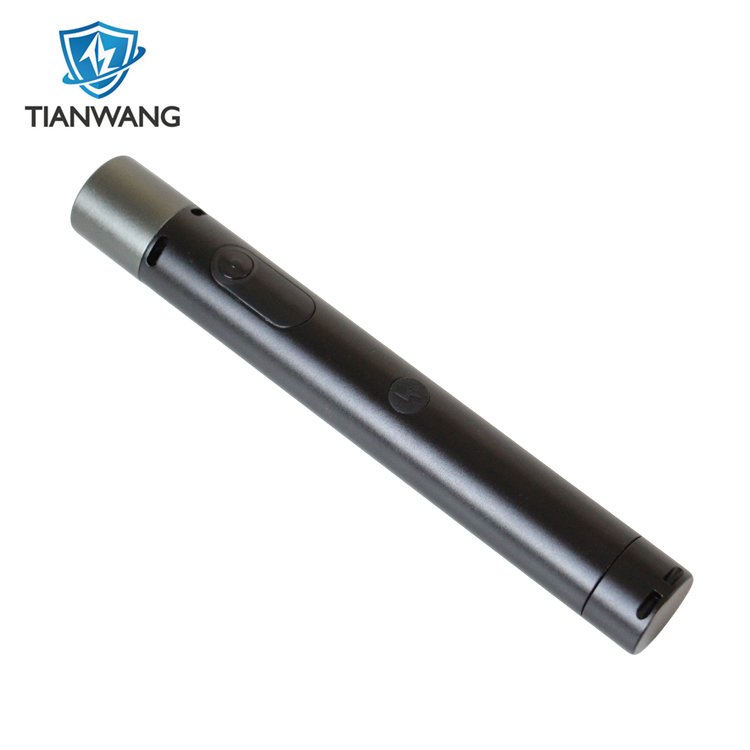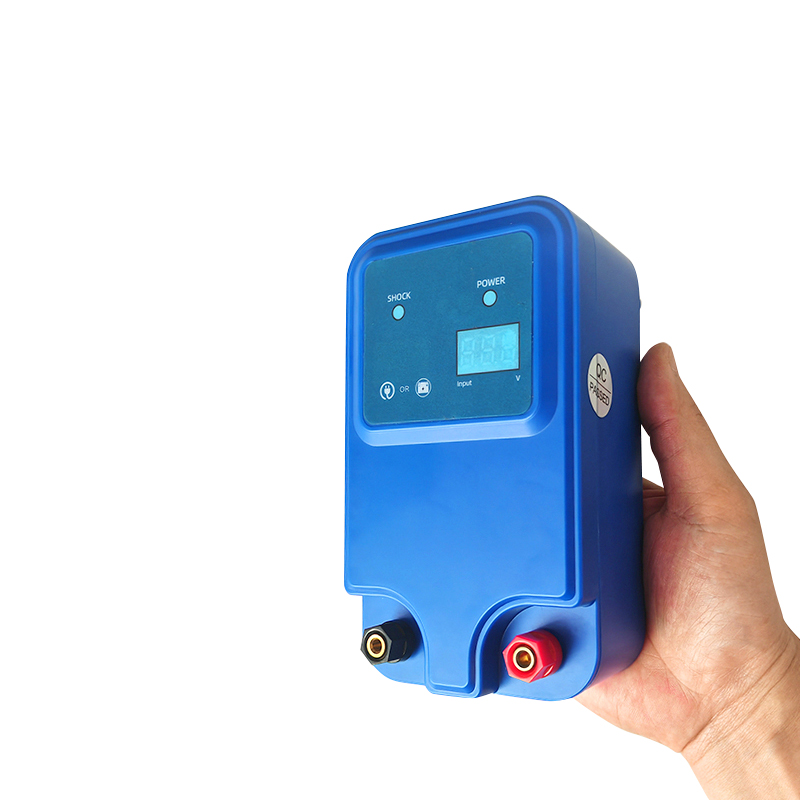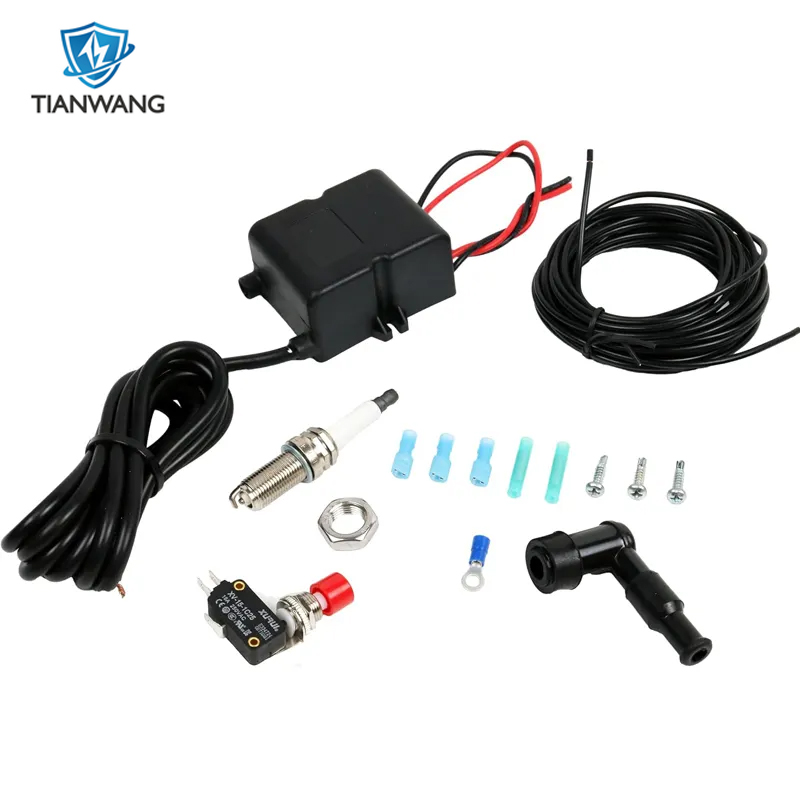






High-voltage devices play a critical role in industrial systems, even though they often operate behind the scenes. Among them, ignition transformers and electrostatic high voltage modules are two widely applied solutions. While both generate high voltage, their design philosophies, output characteristics, and application goals are fundamentally different.
A clear understanding of these differences is essential for correct product selection, system reliability, and operational safety.
Ignition Transformers: High-Energy and Stable Ignition Solutions
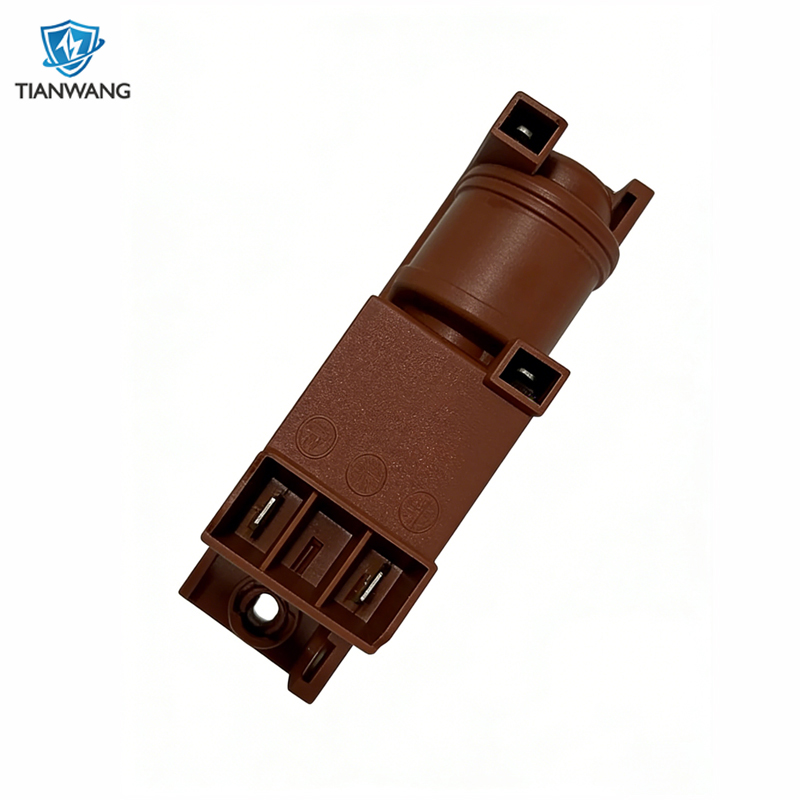
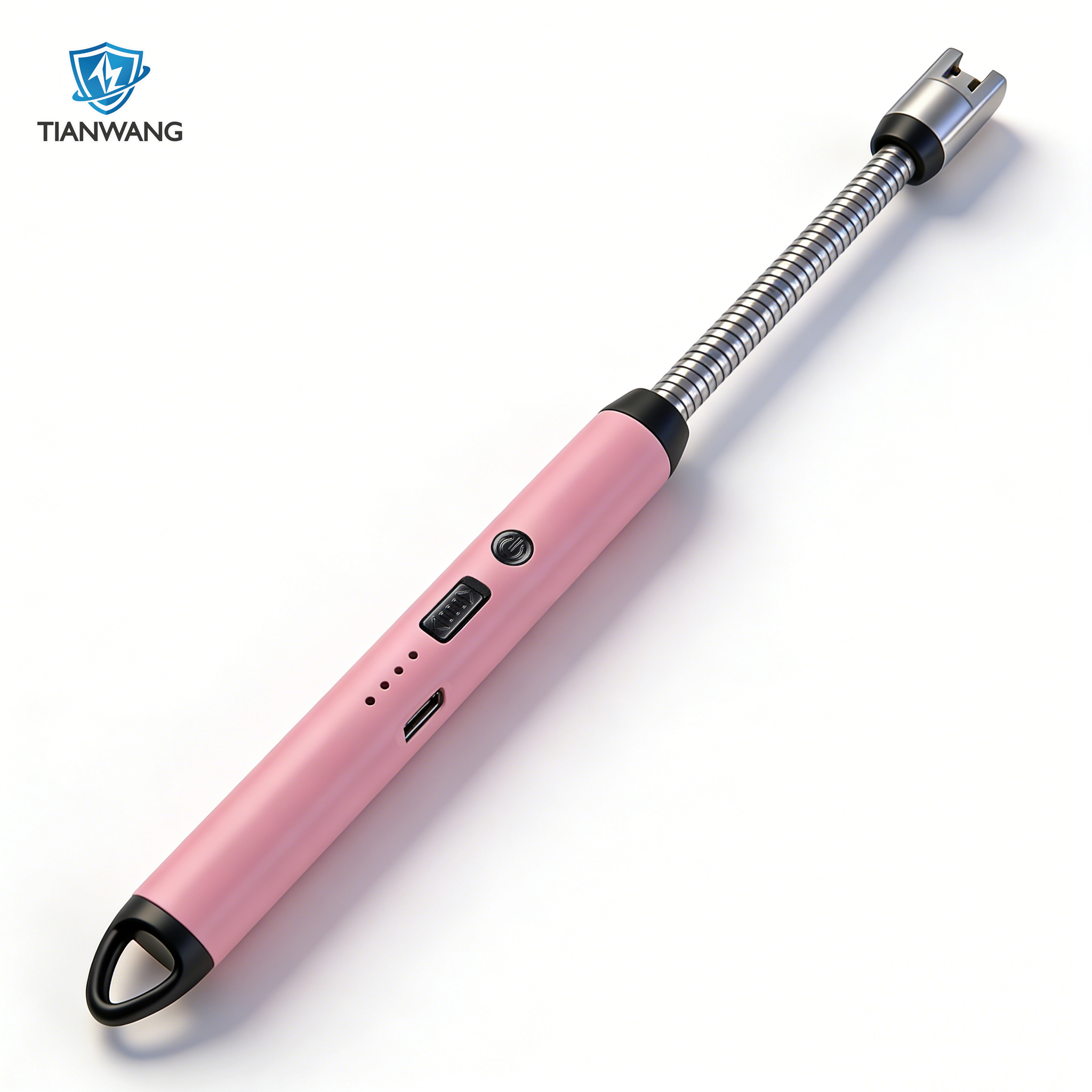
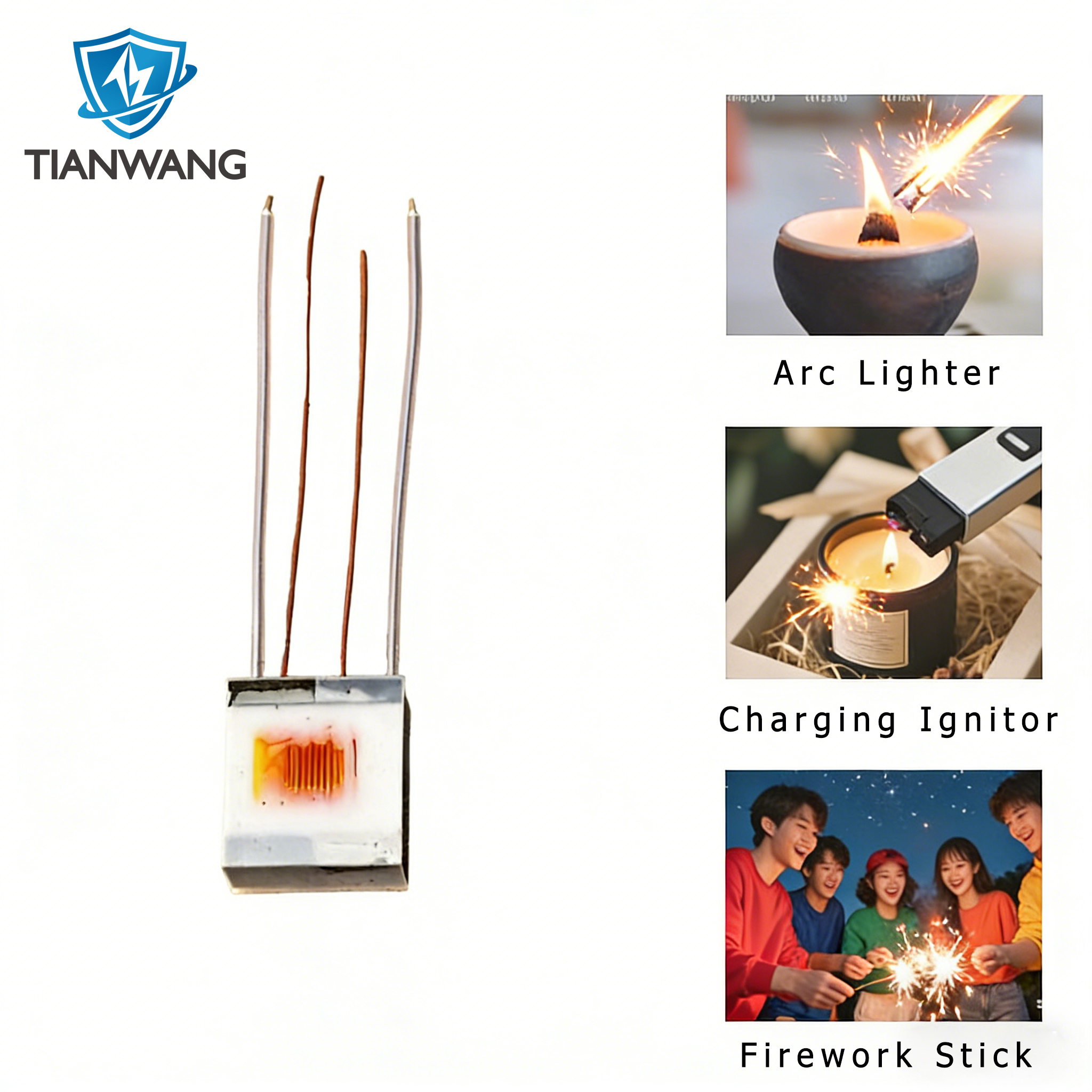
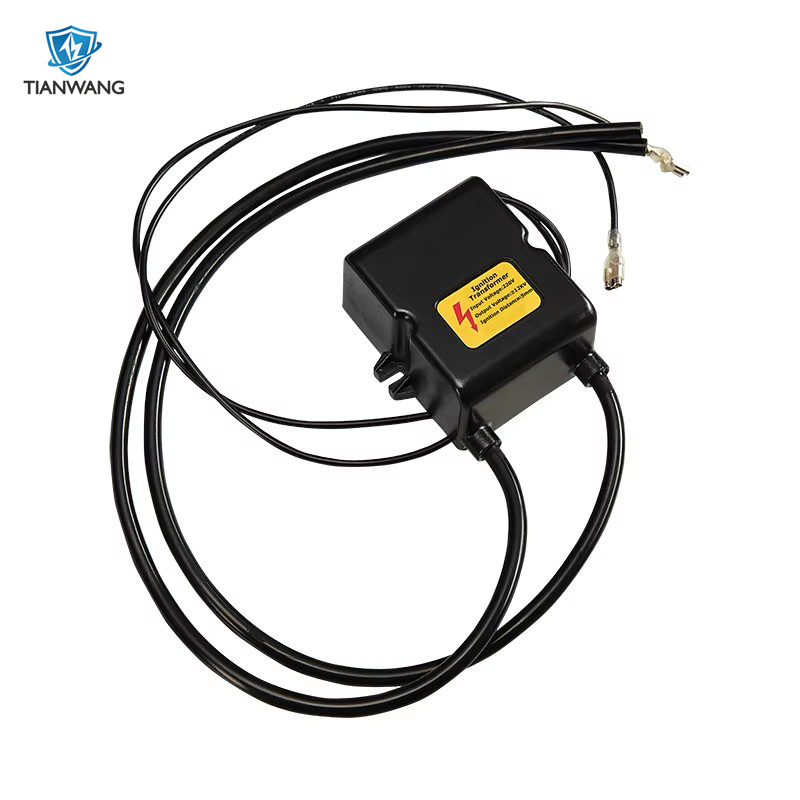
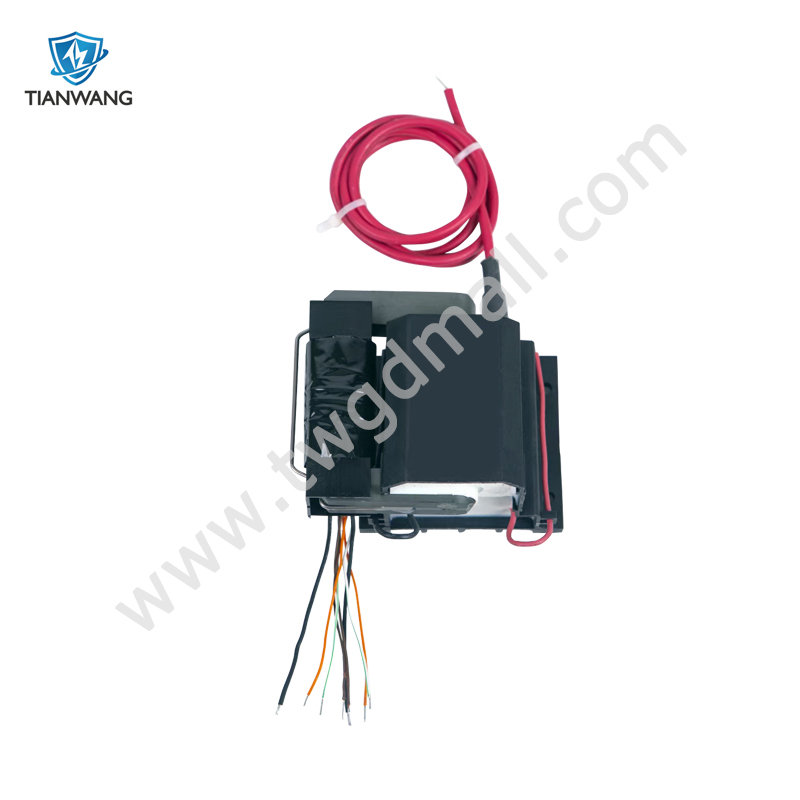
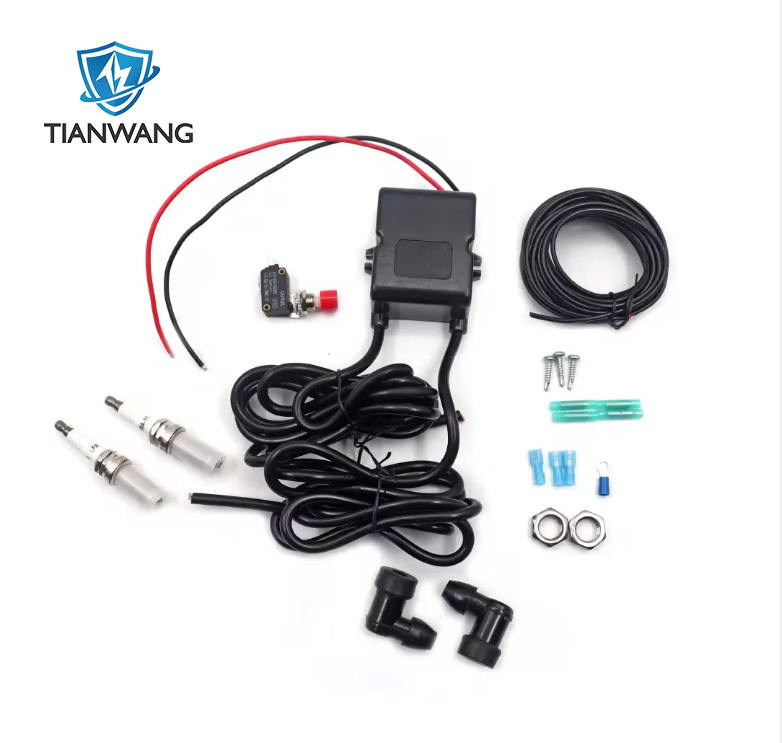
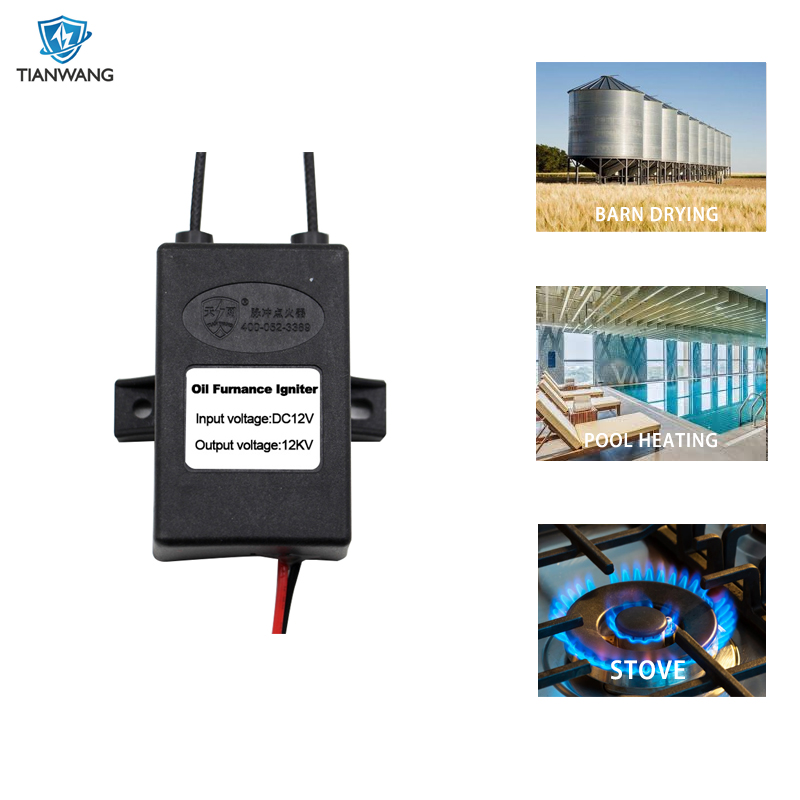
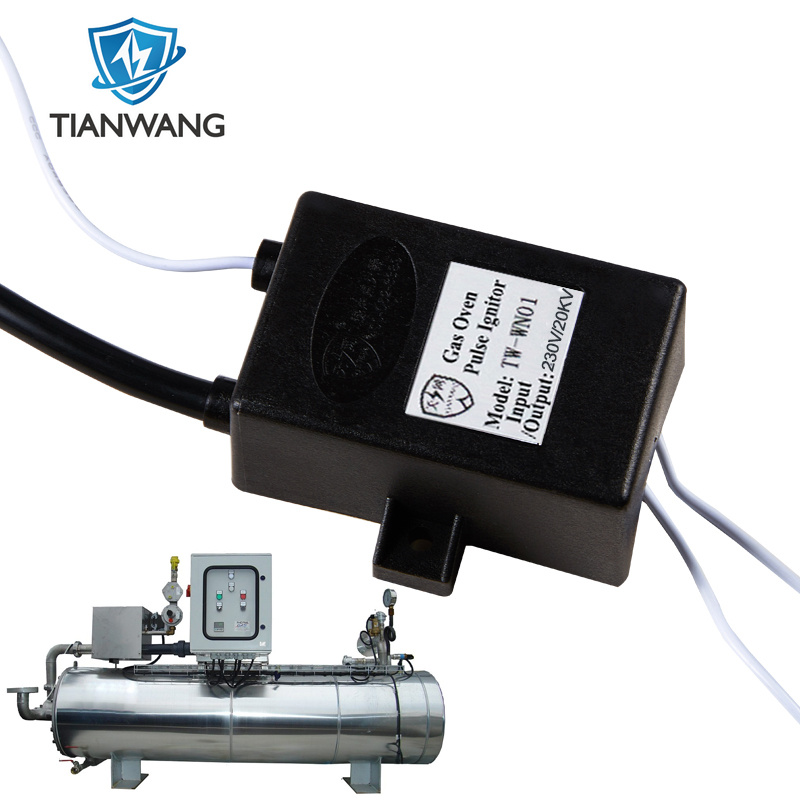
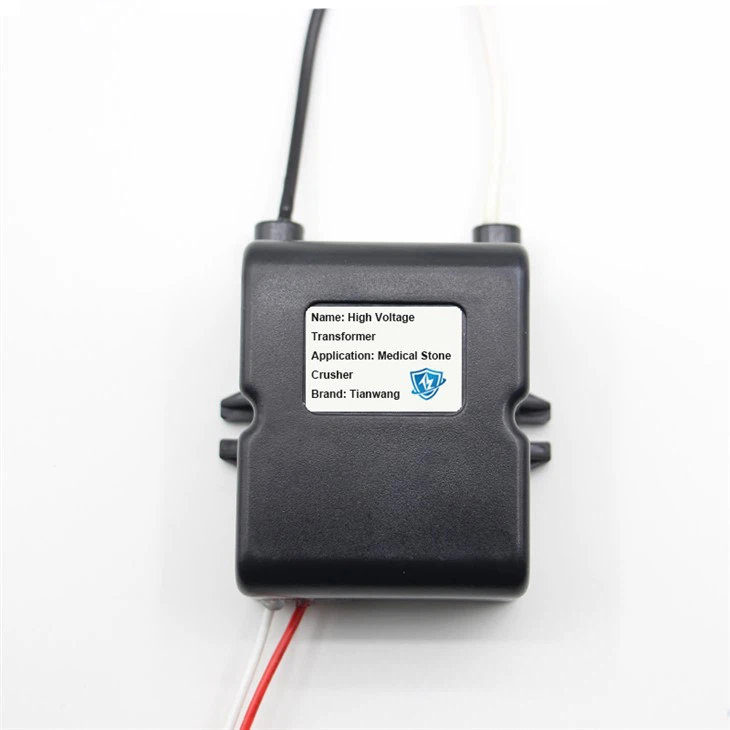
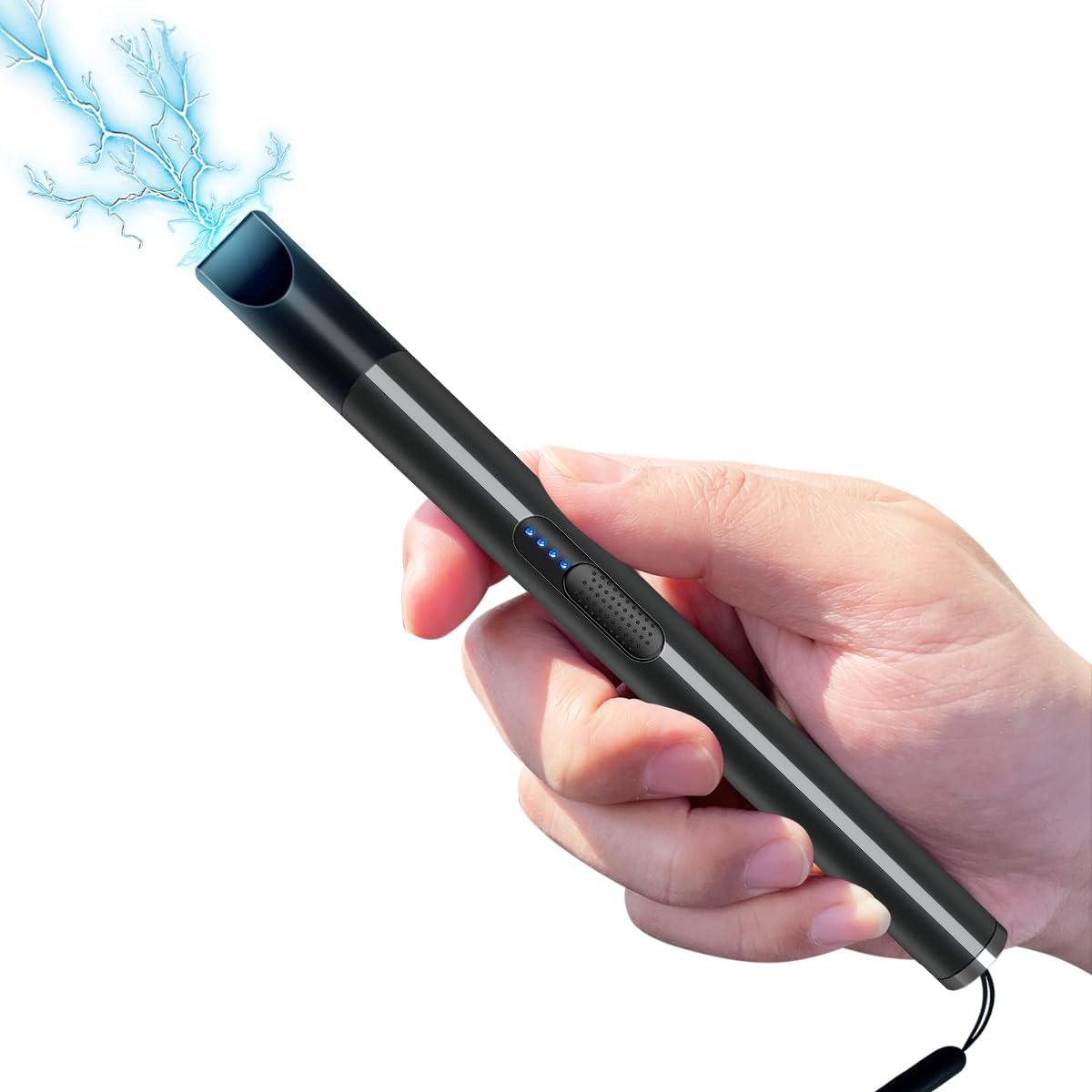
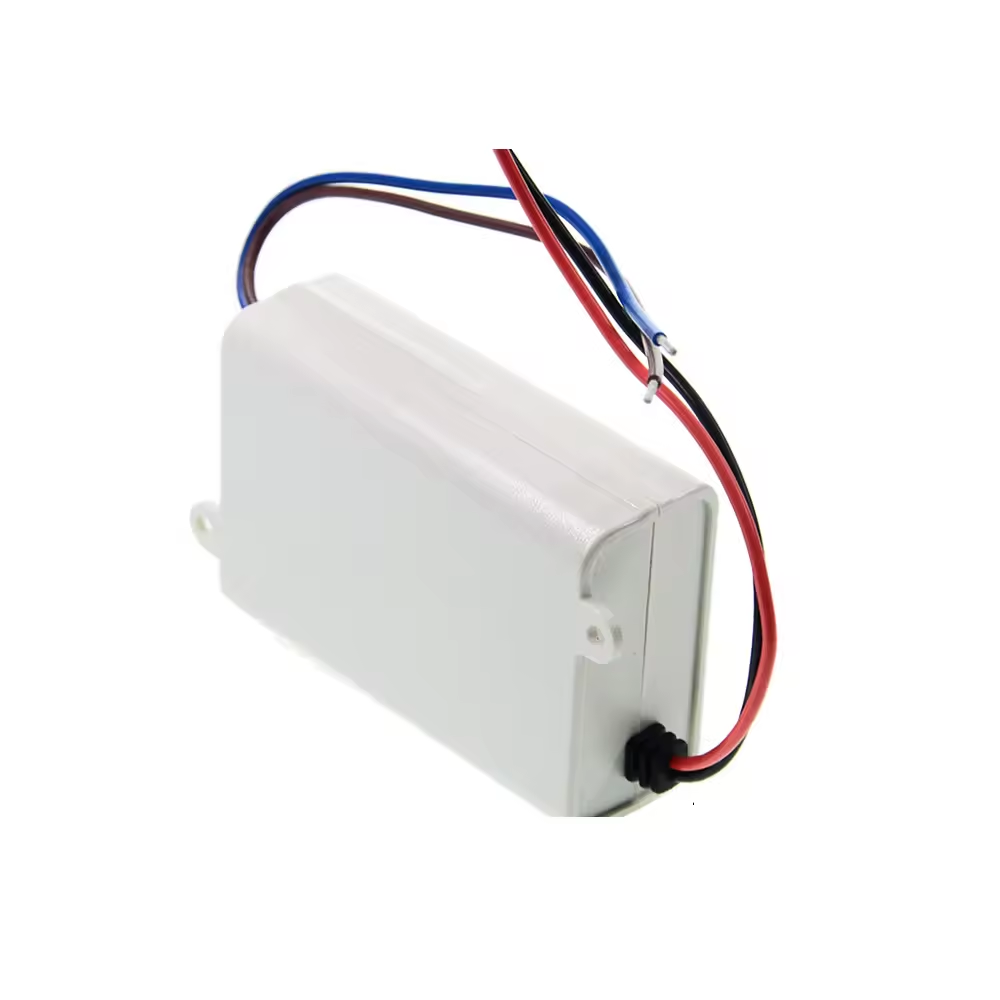
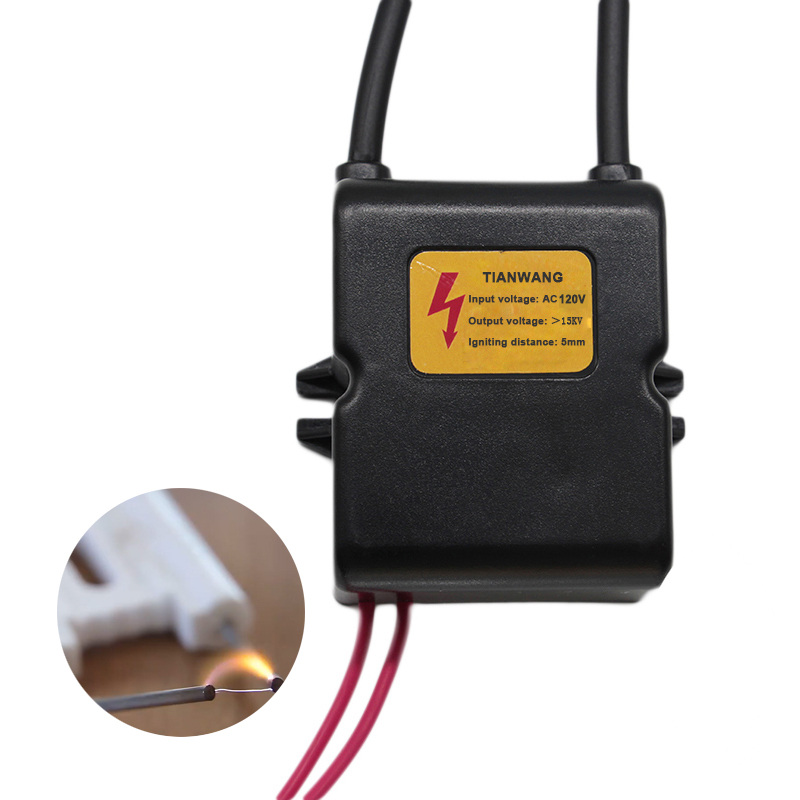
Ignition transformers are designed to provide reliable ignition for fuel-based systems. By converting low-voltage input into high-voltage output, they generate sparks or electric arcs capable of igniting diesel, gas, biofuels, and other combustible media. In industrial applications, ignition transformers serve as the core component that initiates and stabilizes combustion.
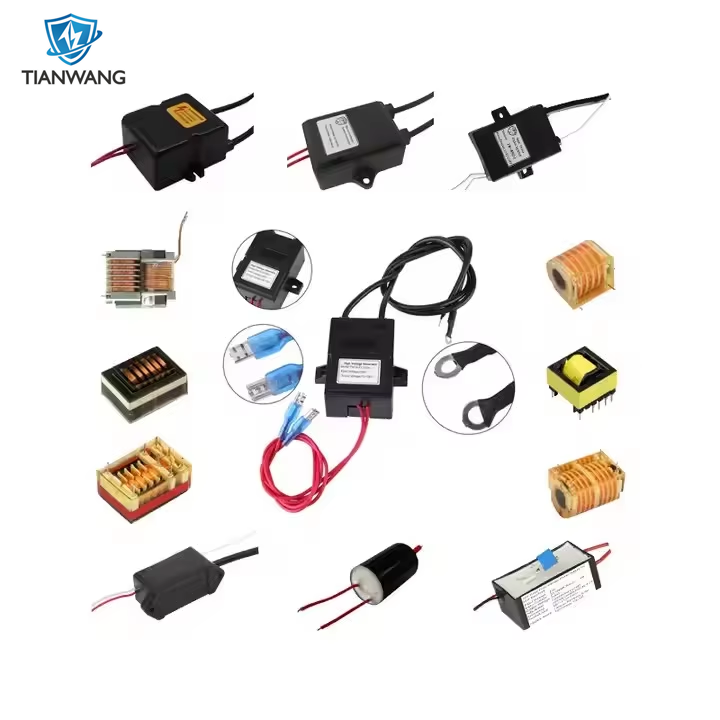
With more than three decades of experience in high-voltage generator manufacturing, we have seen ignition requirements evolve significantly. Modern ignition transformers are no longer limited to short-duration sparks. Depending on system demands, they can operate in pulse ignition or continuous ignition modes, ensuring stable discharge even in challenging environments where ignition reliability is critical.
Our ignition transformer and high-voltage generator product lines are developed with a strong focus on:
High and stable output voltage, typically ranging from several kilovolts to over 20 kV
Consistent discharge energy for high ignition success rates
Support for long-duration or continuous ignition operation
Enhanced insulation, heat resistance, and mechanical durability for harsh industrial conditions
These solutions are widely applied in industrial burners, boilers, heating systems, automotive and industrial ignition systems, as well as customized combustion equipment.
Electrostatic High Voltage Modules: Precision Static Field Generation
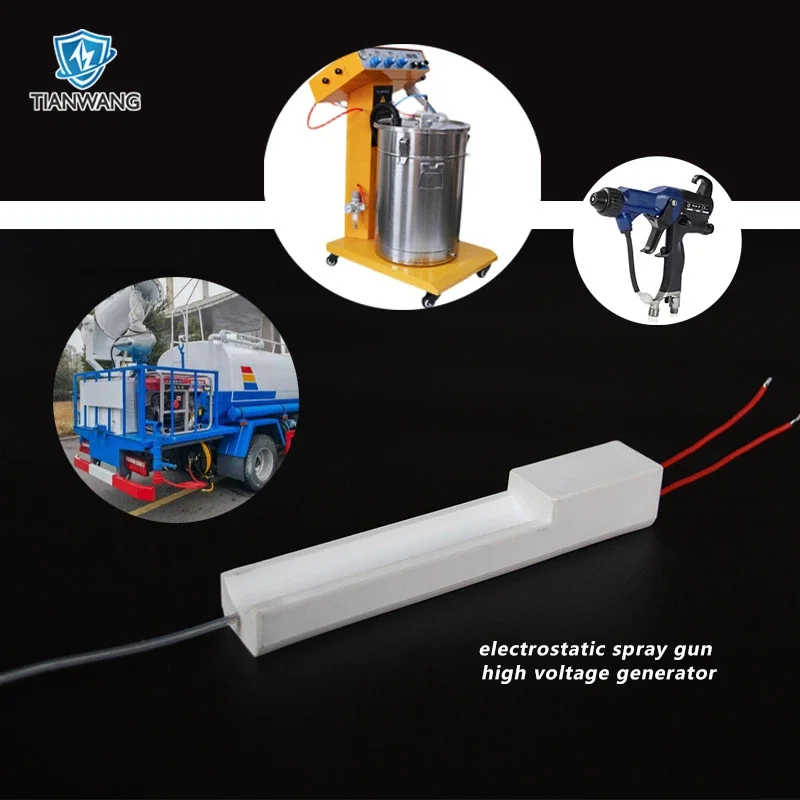
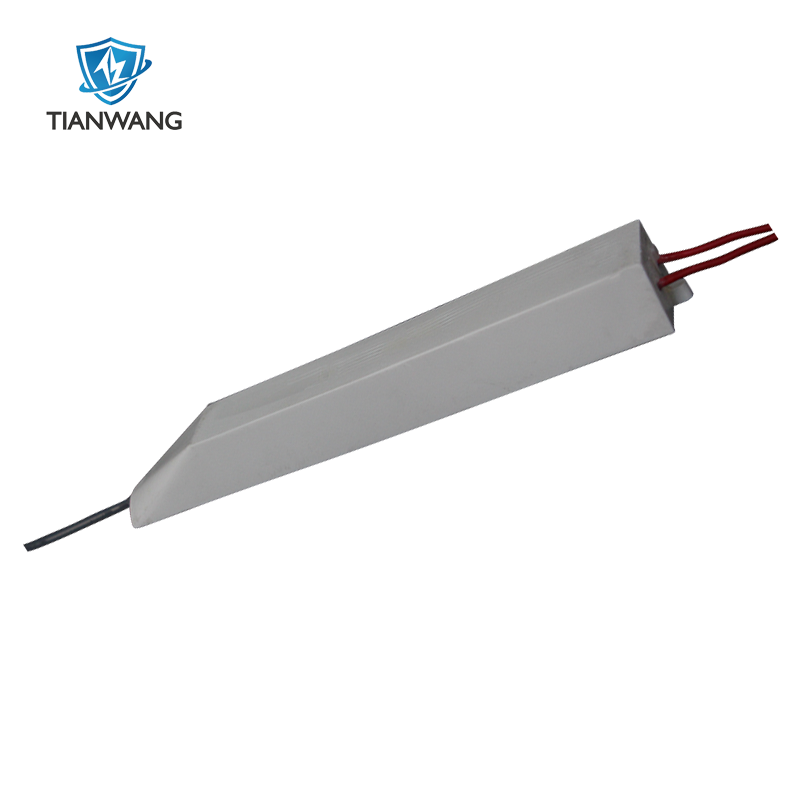
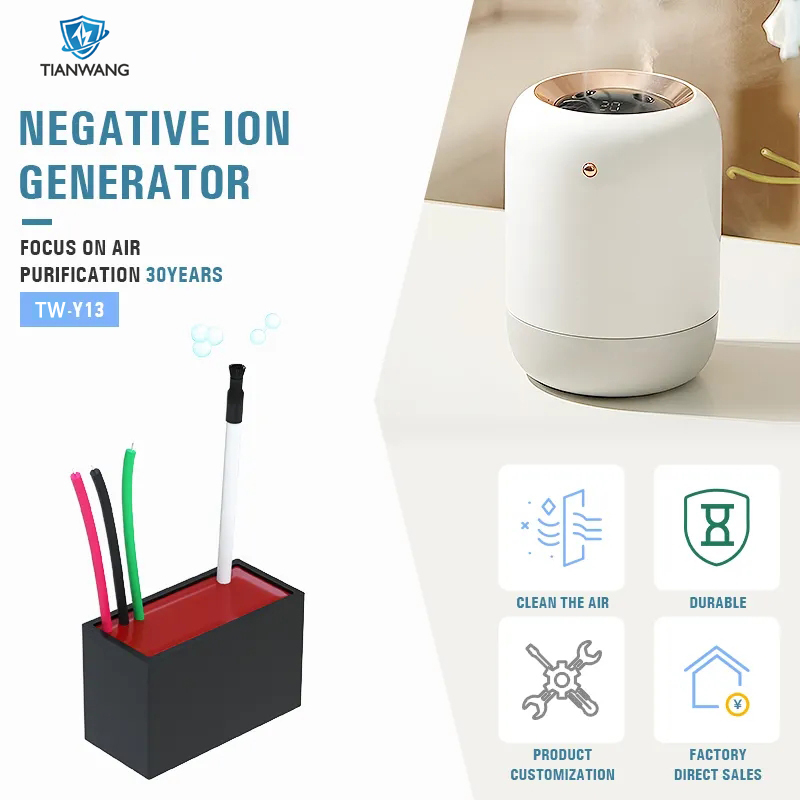
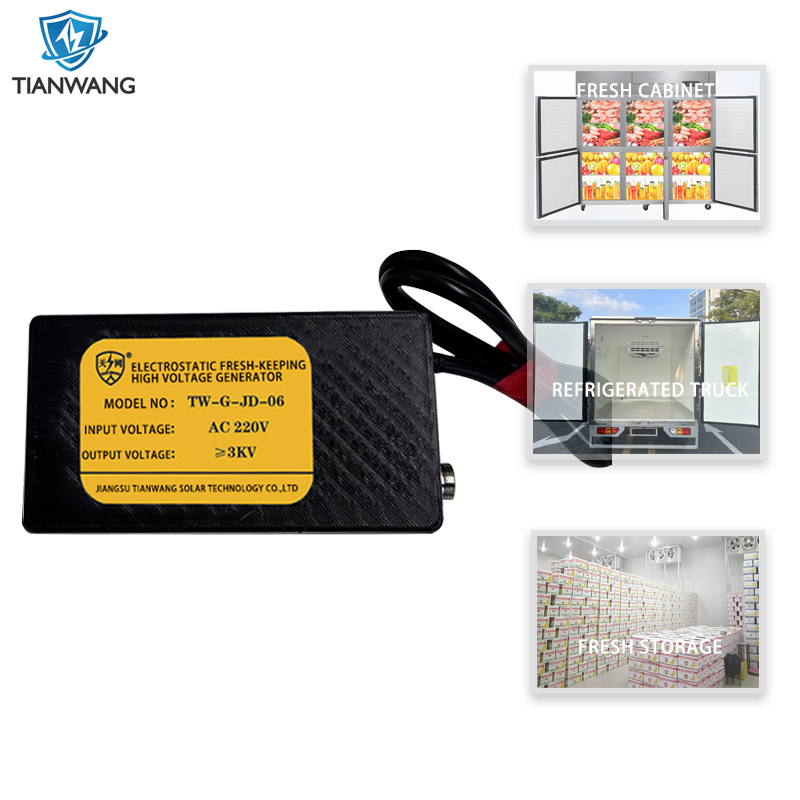
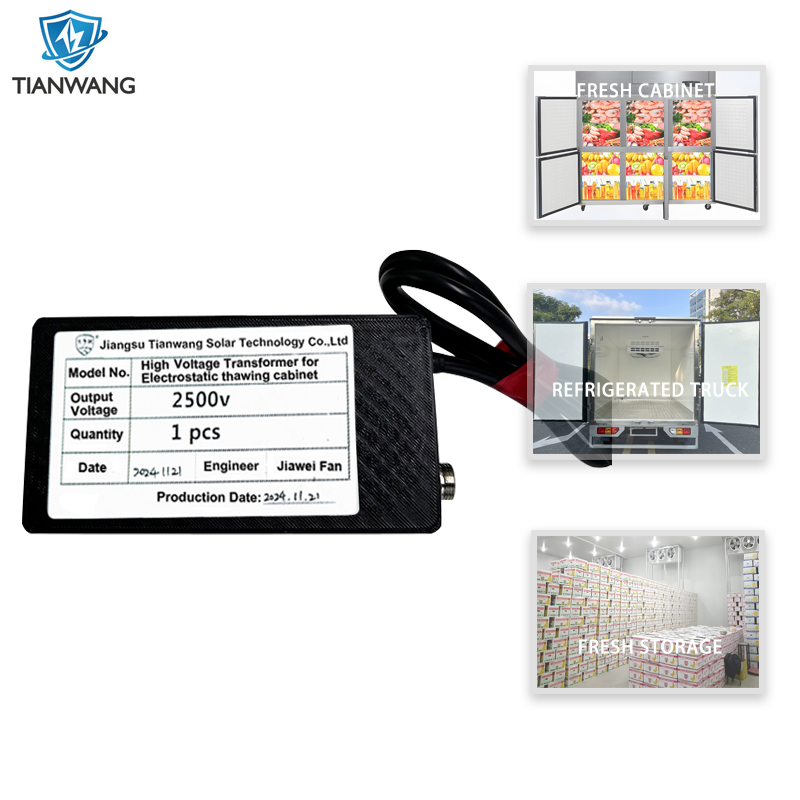
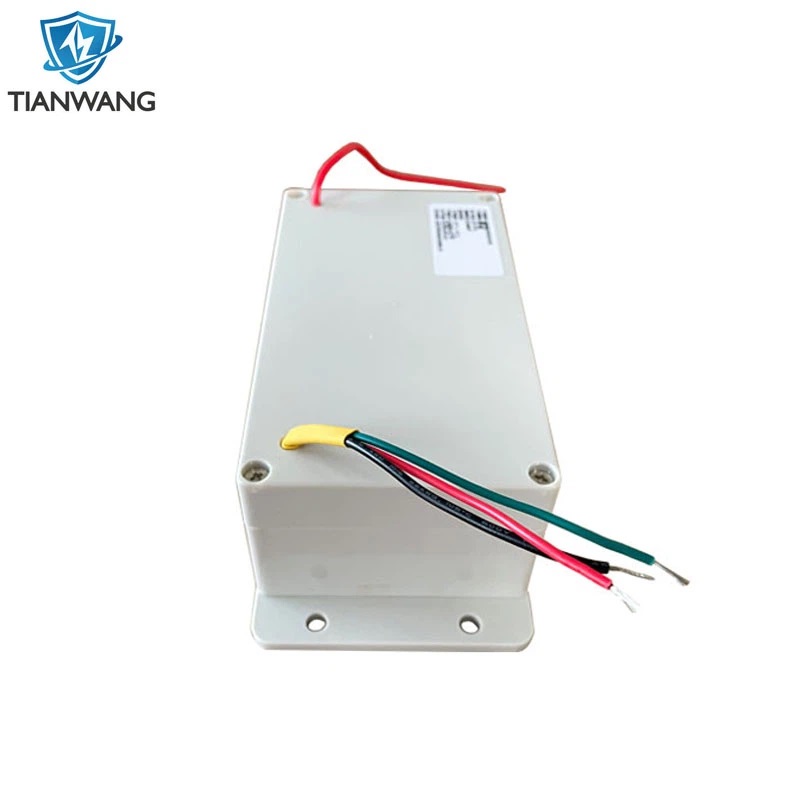
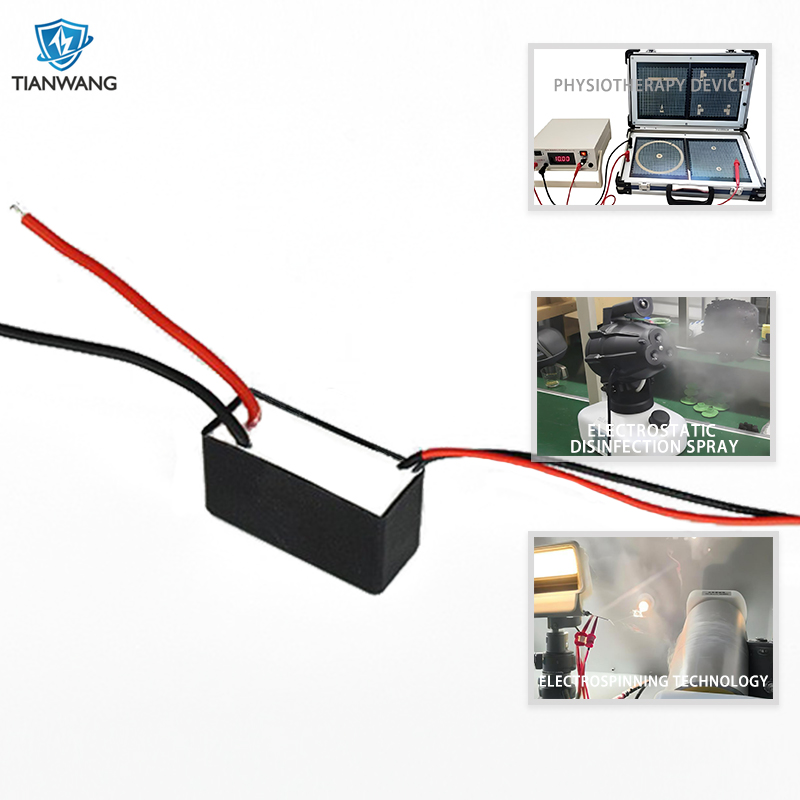
In contrast, electrostatic high voltage modules are designed to generate and maintain controlled electrostatic fields rather than produce ignition sparks. They convert low-voltage power into continuous high-voltage DC output with extremely low current, enabling safe and stable long-term operation.
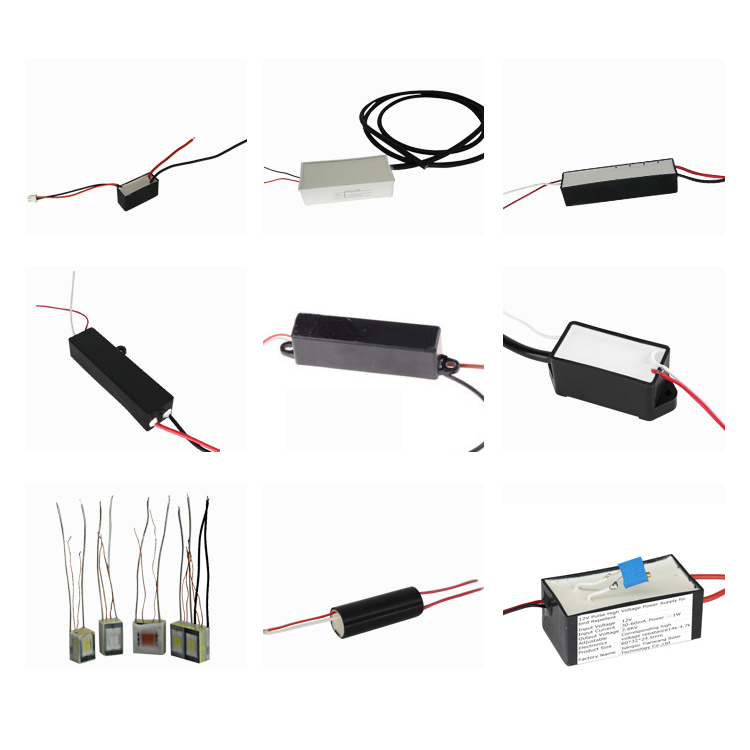
Key features include:
High voltage with very low current (microampere to milliampere level)
Continuous, controllable, and stable output
Compact structure suitable for system integration
Emphasis on voltage accuracy, low leakage current, and long service life
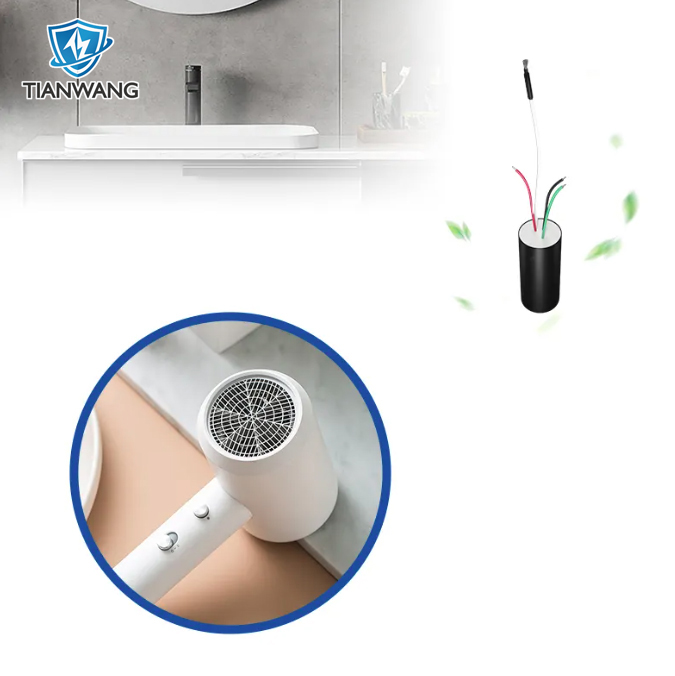
Electrostatic high voltage modules are commonly used in electrostatic spraying, dust collection, air purification, ozone generation, and electrostatic preservation applications, where precision and safety are the primary concerns.
Key Differences and Correct Selection
Although both devices operate in the high-voltage range, their functional goals are clearly different:
Ignition transformers and high-voltage generators are designed for high-energy discharge to initiate or support combustion.
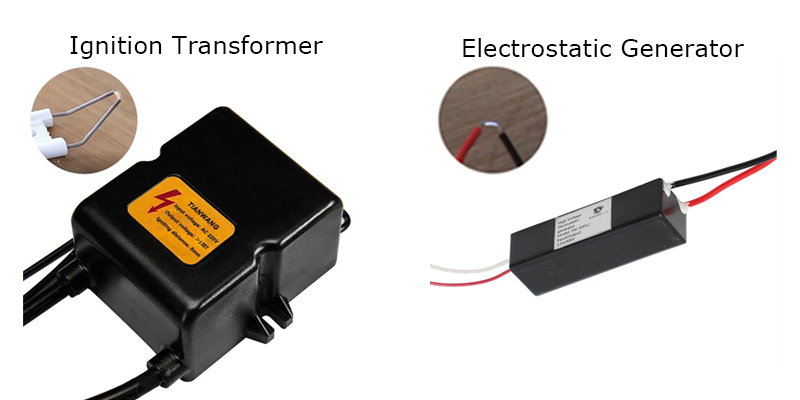
Electrostatic high voltage modules are designed for stable, low-current output to maintain electrostatic effects.
Selecting the appropriate device based on application requirements is essential to ensure system performance and operational safety.
Engineering Experience Behind Reliable High Voltage Solutions
Decades of hands-on manufacturing experience have shown that high-voltage performance is not defined by voltage level alone. Long-term stability, insulation design, thermal management, and application-specific customization are equally important.
Our ignition transformer and high-voltage generator solutions are developed and manufactured in-house, allowing us to support custom voltage ranges, ignition modes, and structural designs to meet diverse industrial requirements.
Conclusion
While ignition transformers and electrostatic high voltage modules may appear similar at first glance, they serve entirely different purposes. Ignition transformers and high-voltage generators deliver high-energy, reliable ignition, while electrostatic modules provide precise and stable static control.
Understanding these distinctions helps ensure correct product selection and dependable system operation. Backed by over 30 years of experience in high-voltage technology, we remain committed to delivering high-voltage solutions that are stable, reliable, and engineered for real-world industrial applications.
Differences Between Ignition Transformers and Electrostatic High Voltage Modules